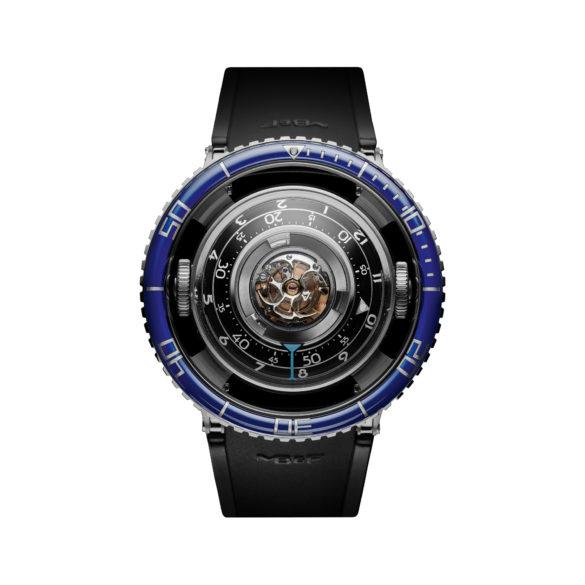
The MB&F HM7 Aquapod, also known as Horological Machine No. 7, is one of the weirdest watches on the market. And one of the coolest
Titanium
Titanium is a chemical element with the symbol Ti and atomic number 22. It is a lustrous transition metal known for its strength, low density, and corrosion resistance. It is often alloyed with other metals to enhance its properties, and these alloys are widely used in various industries.
.
What are the characteristics of titanium ?
.
Strength and Low Density: Titanium is known for its high strength-to-weight ratio, making it a valuable material in applications where lightweight strength is crucial, such as aerospace engineering.
.
Corrosion Resistance: it has excellent corrosion resistance, even in challenging environments. This property makes it suitable for use in chemical processing, marine applications, and medical implants.
.
Biocompatibility: it is biocompatible, meaning it is generally well-tolerated by the human body. This makes it a common material for medical implants, such as artificial joints and dental implants.
.
High Melting Point: it has a relatively high melting point, contributing to its ability to withstand high temperatures. This property is beneficial in applications like the aerospace industry.
.
Versatility in Alloys: Titanium is often alloyed with other metals, such as aluminum, vanadium, and iron, to create alloys with specific properties tailored to particular applications.
.
Corrosion Resistance: Titanium exhibits excellent resistance to corrosion, even in aggressive environments. This makes it valuable in applications where resistance to corrosion is crucial.
.
Common uses of titanium include aircraft components, spacecraft, naval ships, medical implants, sporting equipment, and chemical processing equipment. While titanium is abundant in the Earth’s crust, its extraction and processing can be challenging, contributing to its relatively high cost compared to other metals.
.
How hard is titanium?
.
The Vickers hardness (HV) of titanium used in watches varies depending on the specific alloy and whether it has been heat-treated. Here are typical values for titanium in watchmaking.
.
The first is grade 2 titanium (commercially pure titanium), with 150 to 200 HV, comparable with 316L stainless steel. It not extremely hard but very lightweight and highly resistant to corrosion, making it a popular choice for watches.
.
Grade 23 is the second value. Grade 23 titanium, also known as Titanium 6Al-4V ELI (Extra Low Interstitial), has a Vickers hardness (HV) ranging between 250 and 330 HV. This titanium alloy is favored in high-performance applications due to its excellent strength-to-weight ratio, biocompatibility, and superior corrosion resistance. It is commonly used in aerospace, medical implants, and premium watch cases.
.
Another grade often used is grade 5 titanium (Ti-6Al-4V), a titanium alloy with aluminum and vanadium. This has a Vickers hardness of about 300 to 400 HV, so it is much harder than grade 2 titanium and is often used in high-end or sport watches. Just because it offers a good balance between hardness, strength, and corrosion resistance. But it’s also more expensive, so sometimes watchmakers combine the two grades.
.
While titanium is not as hard as materials like ceramic or sapphire, it is much lighter and offers excellent resistance to wear and corrosion. Making it a favorite for watch cases and bracelets. And some brands apply surface treatments (like DLC coating) to further increase the hardness and scratch resistance.
.
Compare case materials on the Hardness Vickers scale (from hard to hardest):
.
| Carbon | 20-50 HV |
| Platinum | 40 HV (950 platinum: 80-135 HV) |
| Silver | 70-90 HV |
| Bronze | 60-150 HV (100-200 HV treated) |
| Aluminium | 120-200 HV |
| Gold | 120-200 HV (18k or 14k) |
| Palladium | 150-200 HV |
| White gold | 150-250 HV |
| Stainless steel | 150-250 HV (special 1200 HV) |
| Titanium | 150-200 HV (grade 2) up to 300-400 HV (grade 5) |
| Ceramic | 1200-1400 HV (1500-2000 for alumina) |
| Sapphire | 2000-2300 HV |
.
Watches from titanium
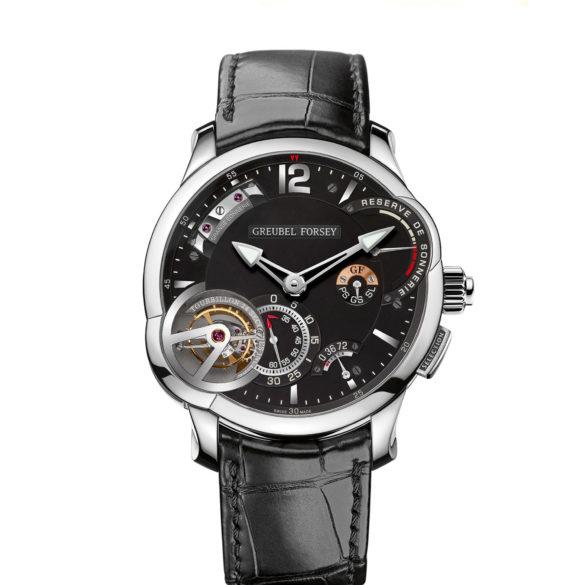
The Greubel Forsey Grande Sonnerie combines a Grande Sonnerie, Petite Sonnerie and a minute repeater, separately powered from the movement
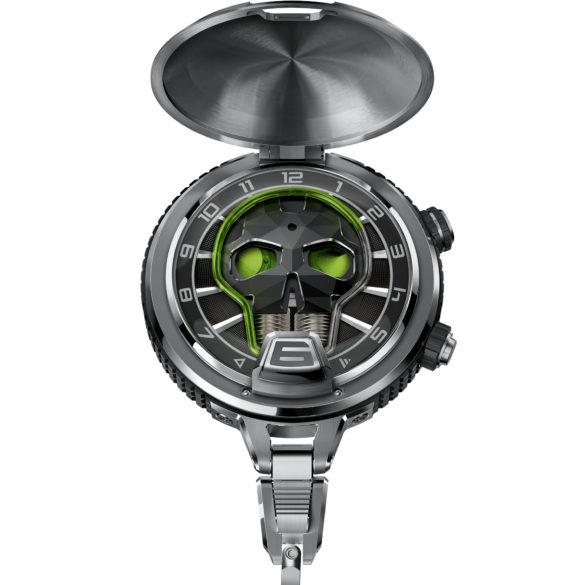
The HYT Skull Pocket has colored fluid to show the time, seconds in one eye and power-reserve in the other. Weird!
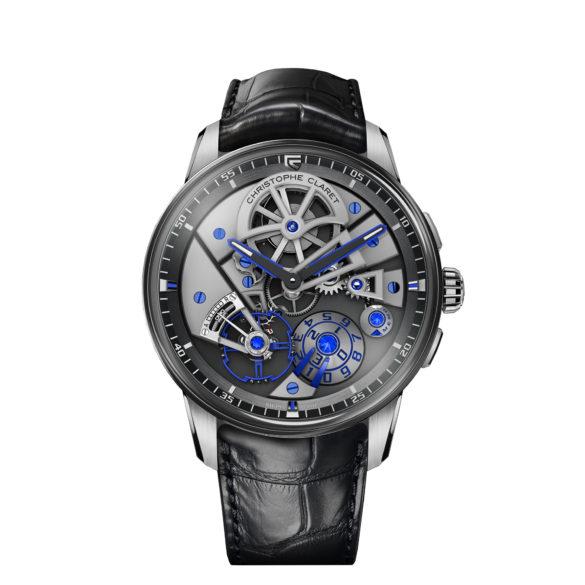
The new Christophe Claret Maestro, in titanium or gold, offers a magnificent view on the movement as is has no dial or bezel at all
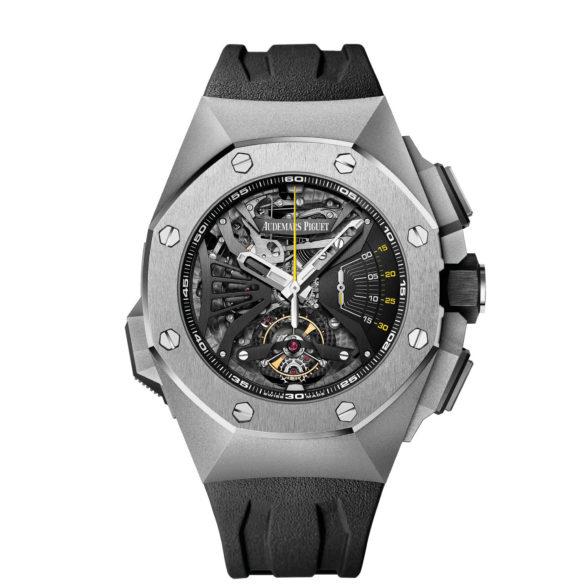
Over a hundred years of repeater manufacturing: this Audemars Piguet Royal Oak Concept Supersonnerie is their latest milestone
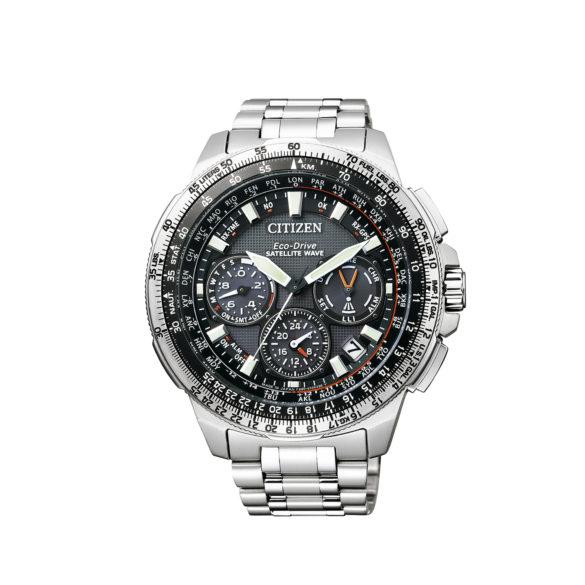
The Citizen Promaster Sky Satellite Wave GPS not only looks impressive, you need an impressive amount of time to figure out all its features
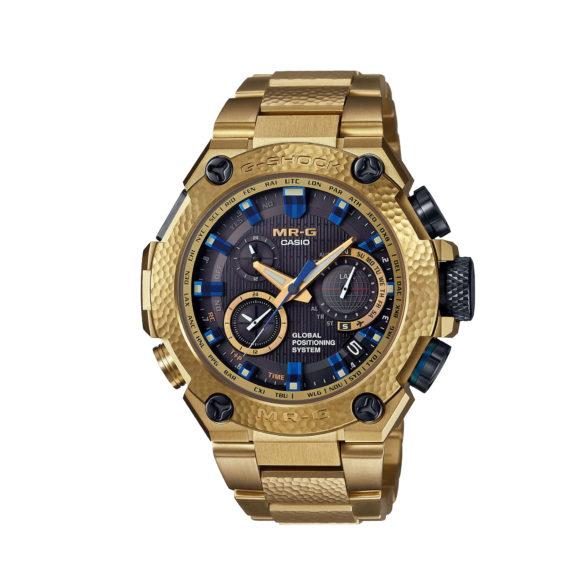
This limited edition Casio G-Shock MR-G GPS Hybrid Gold Hammer Tone MRGG1000HG-9A celebrates 20 years of MR-G
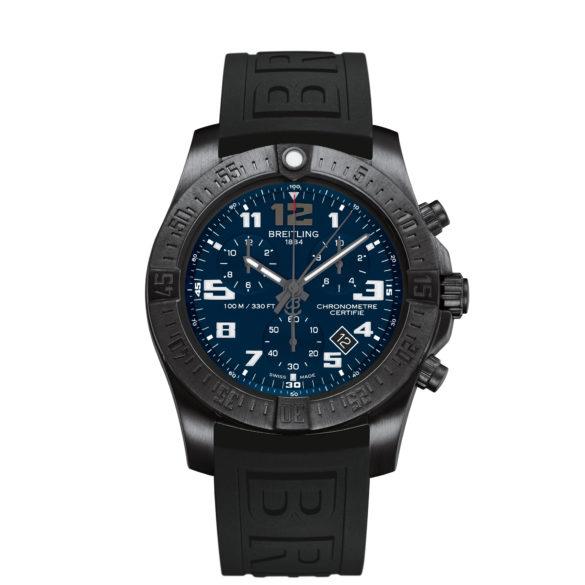
Another new Breitling, and it’s black again! This is the Breitling Professional Chronospace Evo Night Mission. And the dial is not black but blue
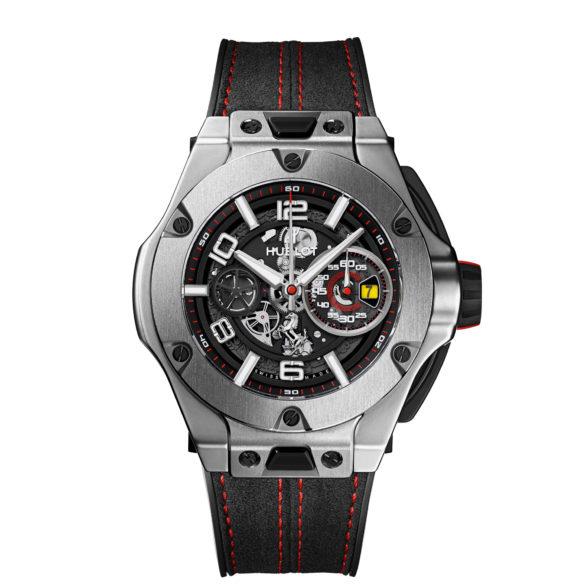
The Hublot Big Bang Ferrari Unico is updated, just like Ferrari’s sometimes need a facelift. The case, pushers, and dial got some cosmic changes
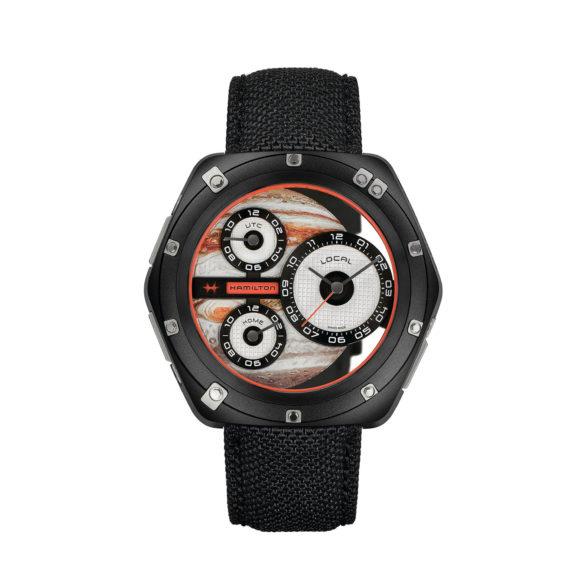
Hamilton has a tradition in making watches nspired by movies. So is this Hamilton ODC X-03, inspired by the 2014 movie Interstellar